The Hive Experience, Chapter 1: Introducing the Hive Experience
How successful organizations treat their brand experience as a Beehive.

Andre Mello
VP, Engagement & Growth
Have you ever experienced that cinematic aha moment—like the one at the end of “The Usual Suspects”—when everything suddenly clicks? You see the big picture and finally connect all the dots. I had one of those moments a few years ago, but instead of a crime thriller, my revelation came from a ‘90’s music video.
I was getting ready for a customer experience conference when Blind Melon’s “No Rain” video popped up on my hotel TV. If you don’t remember the ‘90s as vividly as I do, this video was legendary. It follows the “Bee Girl,” a quirky young girl in a bee costume who feels out of place and rejected by the world around her.
She wanders aimlessly, enduring rejection after rejection until she stumbles upon a meadow where others dressed as bees are dancing joyfully. Suddenly, she’s home. She’s found her hive. Her community. Her people.
That’s when it all came together for me.
That feeling. That indescribable mix of joy, belonging, and relief. That’s what we strive for as brand marketers. That’s the essence of brand experience—creating an environment where customers and employees feel like they’ve found their place. Their hive.
What Is Brand Experience?
Brand experience is more than a catchy slogan or a slick ad campaign. It’s the lasting emotional impression customers form through every interaction with your brand.
It’s shaped by everything from product quality and customer service to website usability and corporate social responsibility. Every touchpoint counts.

According to a PwC study, 73% of consumers say customer experience is a key factor in their purchasing decisions—but only 49% believe companies deliver on it. This disconnect highlights why a holistic approach to brand experience is essential.
Why Brand Experience Is Everyone’s Job
Here’s the thing: brand experience isn’t just the marketing team’s responsibility.
It’s a cross-functional effort. Customers interact with brands across multiple departments—operations, customer support, digital platforms, and beyond. If one area falters, the entire brand perception takes a hit.
Imagine a company with a cutting-edge digital experience but subpar customer service. Or a brand that champions diversity in ads but doesn’t reflect it internally. The disconnect erodes trust, and trust is the foundation of brand loyalty.
For a brand to truly thrive, every department must be aligned. From marketing’s promises to operations’ delivery, everything must work in harmony to create a consistent, inviting experience.

A Brand as a Beehive
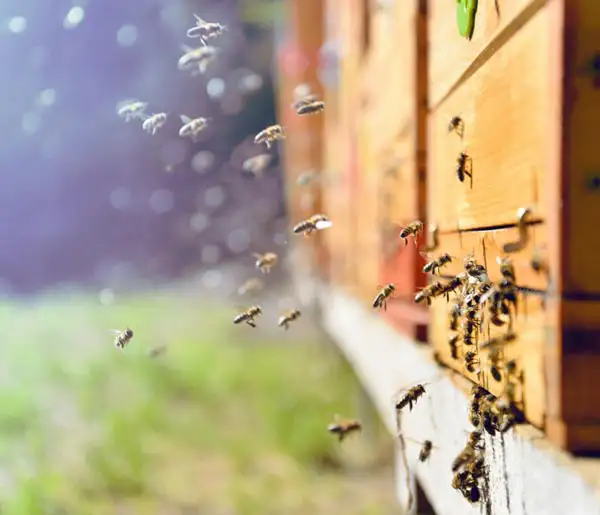
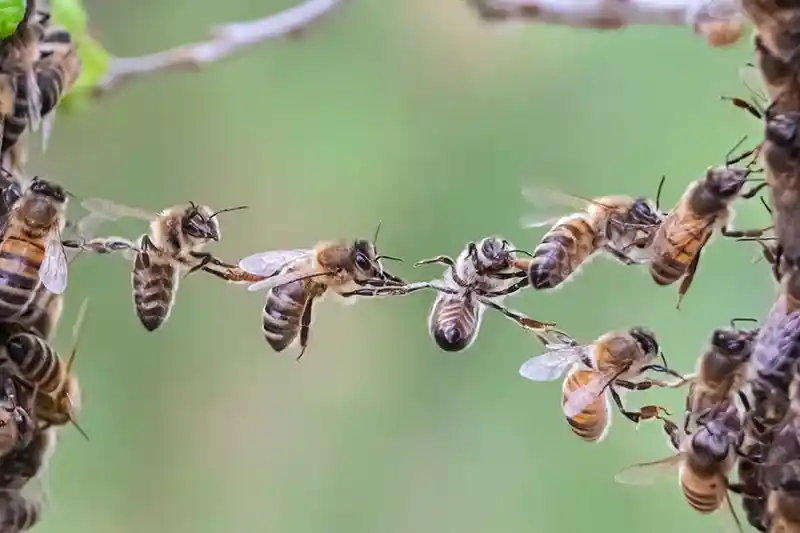
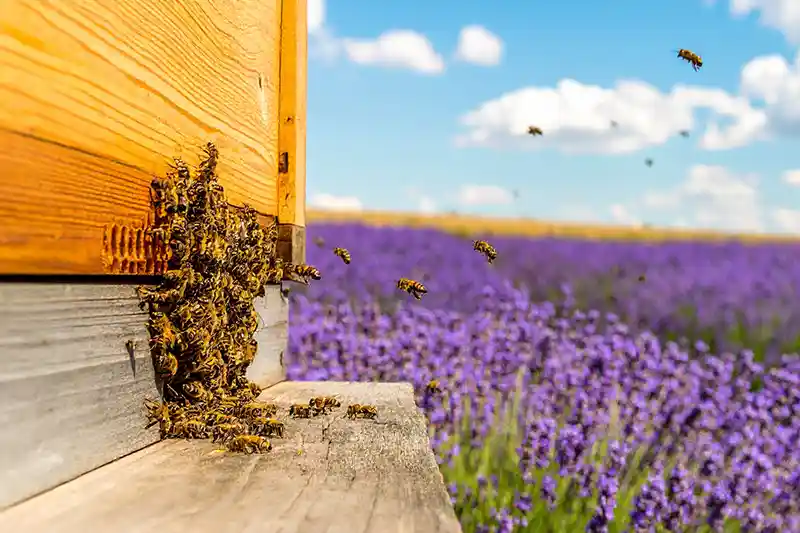
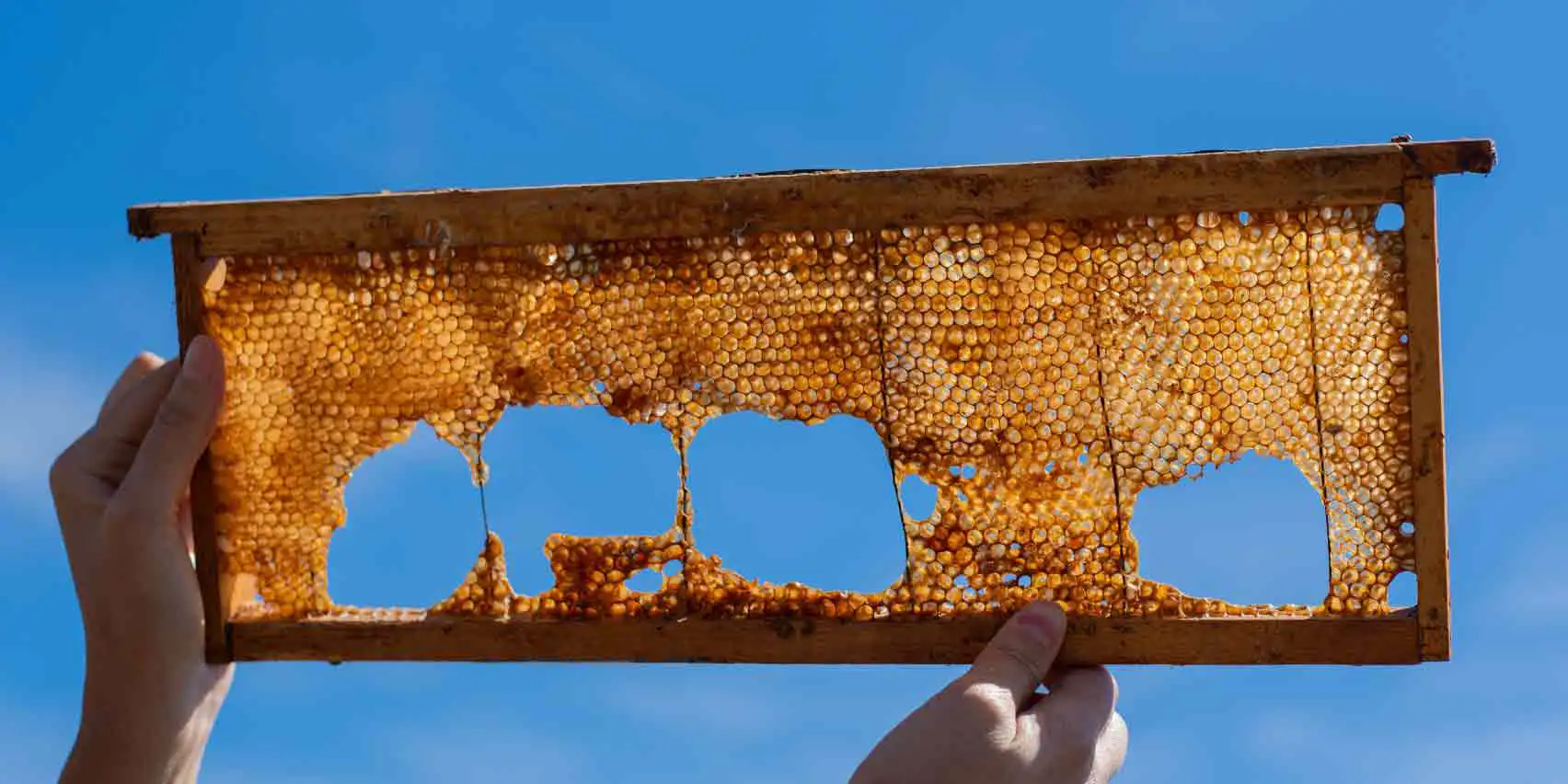
A beehive is a marvel of collaboration and synergy. Every bee has a role to play, from gathering nectar to defending the hive. Together, they create an environment of productivity, growth, and shared purpose.
A brand functions the same way. Marketing might attract the “worker bees” (customers and employees), but operations, leadership, and community engagement sustain the hive.
Worker Bees: Delivering the day-to-day brand experience through interactions with customers and stakeholders.
Forager Bees: Gathering market insights to inform the hive’s strategy.
The Queen Bee: Guiding point serving as the vision that motivates the hive under one unified purpose.
When all parts of the hive work together, the brand thrives. It becomes a place where people don’t just engage—they belong.
A Brand that Thrives Like a Beehive: Chewy
If any brand embodies the beehive metaphor, it’s Chewy—the online pet supply retailer known for its exceptional customer experience.
Chewy doesn’t just sell pet products. It creates a community where customers feel seen, valued, and cared for. Here’s how they do it:
Worker Bees: Chewy’s customer service team sets the gold standard. They quickly resolve issues, often going above and beyond—sending handwritten condolence cards when a pet passes away or offering personalized product recommendations. These “worker bees” deliver the day-to-day experiences that keep customers loyal.
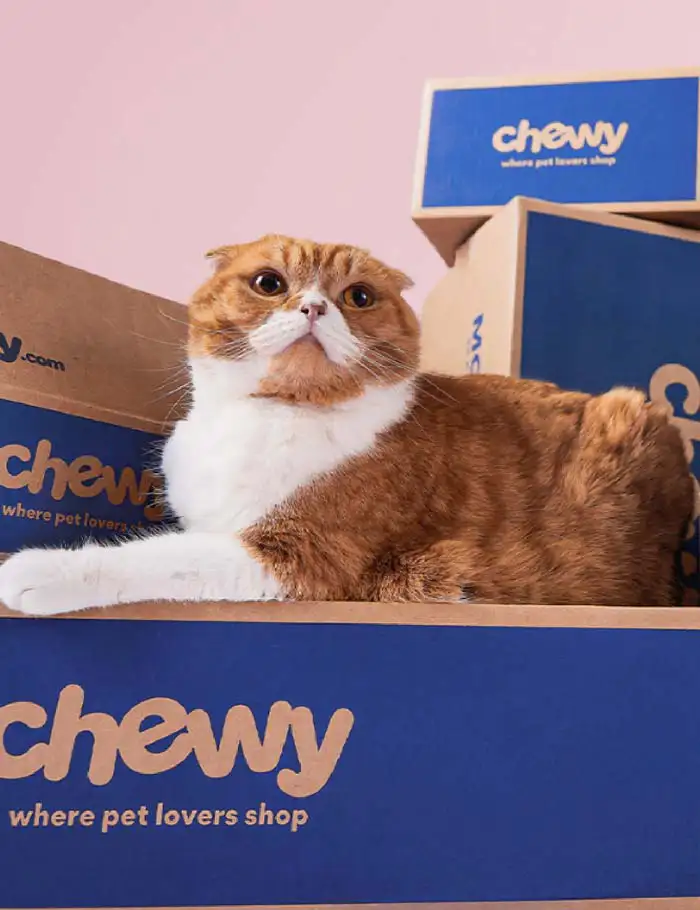
Forager Bees: Chewy excels in gathering customer insights. Through data collection and reviews, they continually refine their offerings, ensuring they meet the needs of both pet owners and their furry companions.
The Queen Bee: Leadership at Chewy has a clear vision: to be more than just a retailer. Their mission is to build lifelong relationships with their customers, which is reflected in their decision to invest in personalized experiences and empathetic customer care.
By fostering a hive-like environment, Chewy ensures that every department—marketing, operations, customer service, and leadership—works together to create a cohesive, welcoming brand experience.
Another Hive that Thrives: Patagonia
Let’s explore another solid hive in a different industry: Patagonia. Patagonia builds loyalty among customers by staying authentic to its sustainability values throughout its initiatives. Its customer base is environmentally conscious and expects the brand to deliver on its sustainability messaging. And Patagonia delivers from producing high-quality, eco-friendly products to supporting grassroots environmental movements. Now that’s a hive that thrives on purpose, collaboration, and trust.
The Risks of a Broken Hive
When parts of the hive aren’t aligned, the brand experience suffers. Gaps between marketing, operations, and customer service lead to disjointed messaging and unmet expectations. Unmet expectations mean disappointed customers who have a high chance of no longer trusting the brand.
Broken hives come in many different forms. Consider the brand that promises sustainability but largely uses single use plastics. Or the organization that totes equality while sourcing labor from unethical sources. Or simply an online retailer with a beautiful website but a laggy cart. Any gap erodes trust and makes customers feel like outsiders, not part of the hive. A broken hive also opens the brand for intense critique from the outside. In the age of social media, a broken hive is especially dangerous.
The Series: Building Our Hive Together
This blog series will explore how brands can create their own “hive” to foster belonging, trust, and loyalty. Each month, I’ll dive into a different aspect of brand experience, drawing inspiration from the beehive metaphor.
We’ll highlight brands that are doing it right—and others that missed the mark. Most importantly, we want this to be an open conversation, not a lecture. Let’s build a hive of knowledge together. Share your thoughts, your experiences, and questions.
After all, the best hives are made by communities working toward a common goal. Let’s work to create a thriving hive—one where every part of your organization works in harmony to create a brand that doesn’t just engage but welcomes people to belong.
And we just might become as happy as that ‘90s little bee girl.
Let us help your hive thrive
REGROUP is an independent, full service, brand and performance agency. We help complex organizations gain alignment under one marketing strategy with our brand and performance solutions. We aim to find truth, build loyalty, and power growth with everything we do.
Want to see how you can evaluate and improve your brand experience? We would love to chat.
Sign up for a consultation or to subscribe to our mailing list.